What Does a Payroll Manager Do? Duties, Skills and Tools
What a payroll manager does each pay period, month and year, the skills the role needs, the tools they use, and when a small business needs one.
A payroll manager makes sure every person is paid the right amount, on time, and that the business meets its payroll tax and record-keeping duties. It is a role where small mistakes are very visible: nobody remembers a correct payslip, and everybody remembers a wrong one.
This guide covers what the job involves, the skills it needs and the tools it uses. If you are new to payroll itself, start with what payroll is.
The core duties
Every pay period
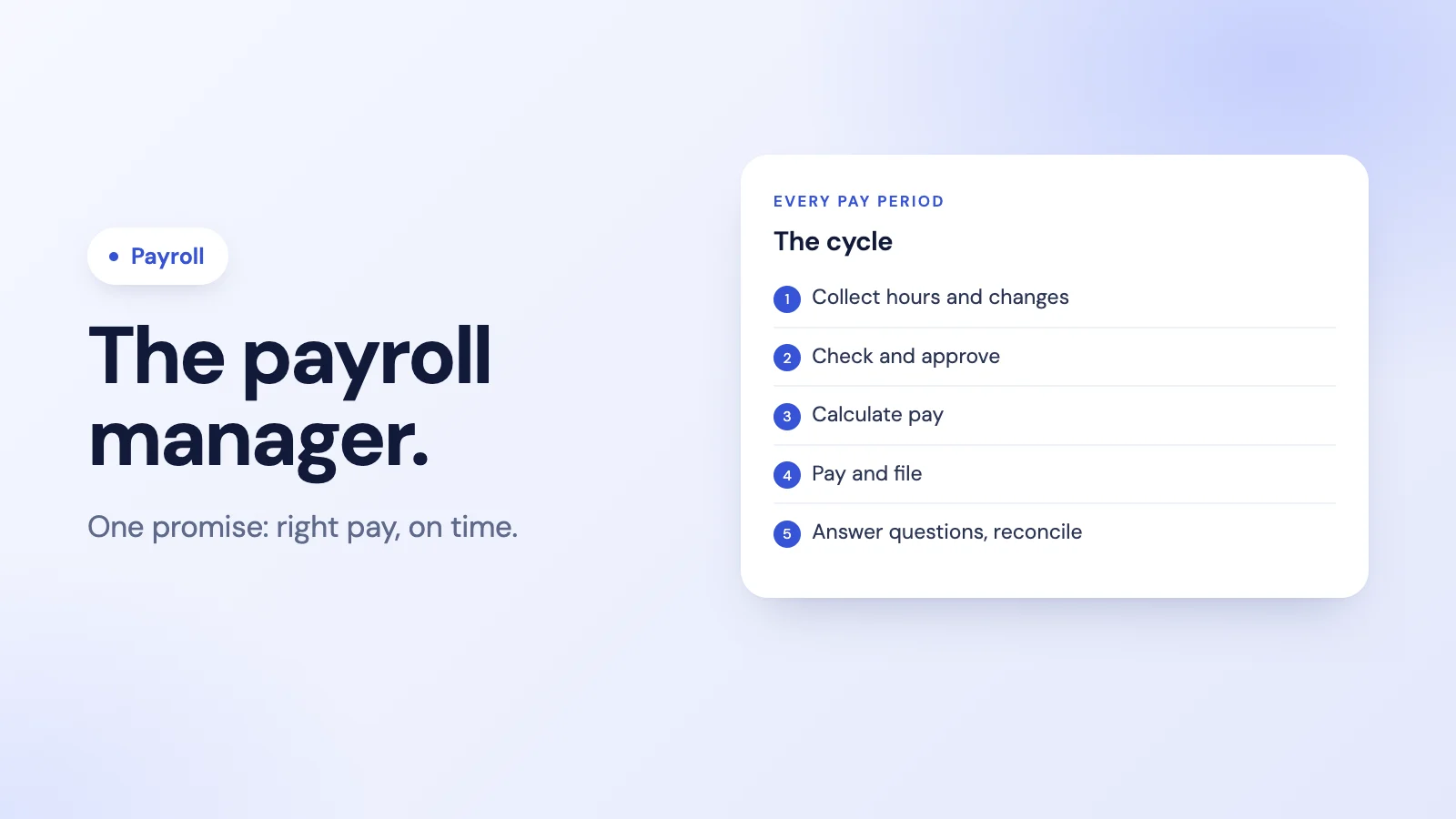
- Collect the inputs: hours worked, leave taken, overtime, new starters, leavers and changes to pay.
- Check them: missing clock-outs, unapproved overtime, leave that does not match the calendar.
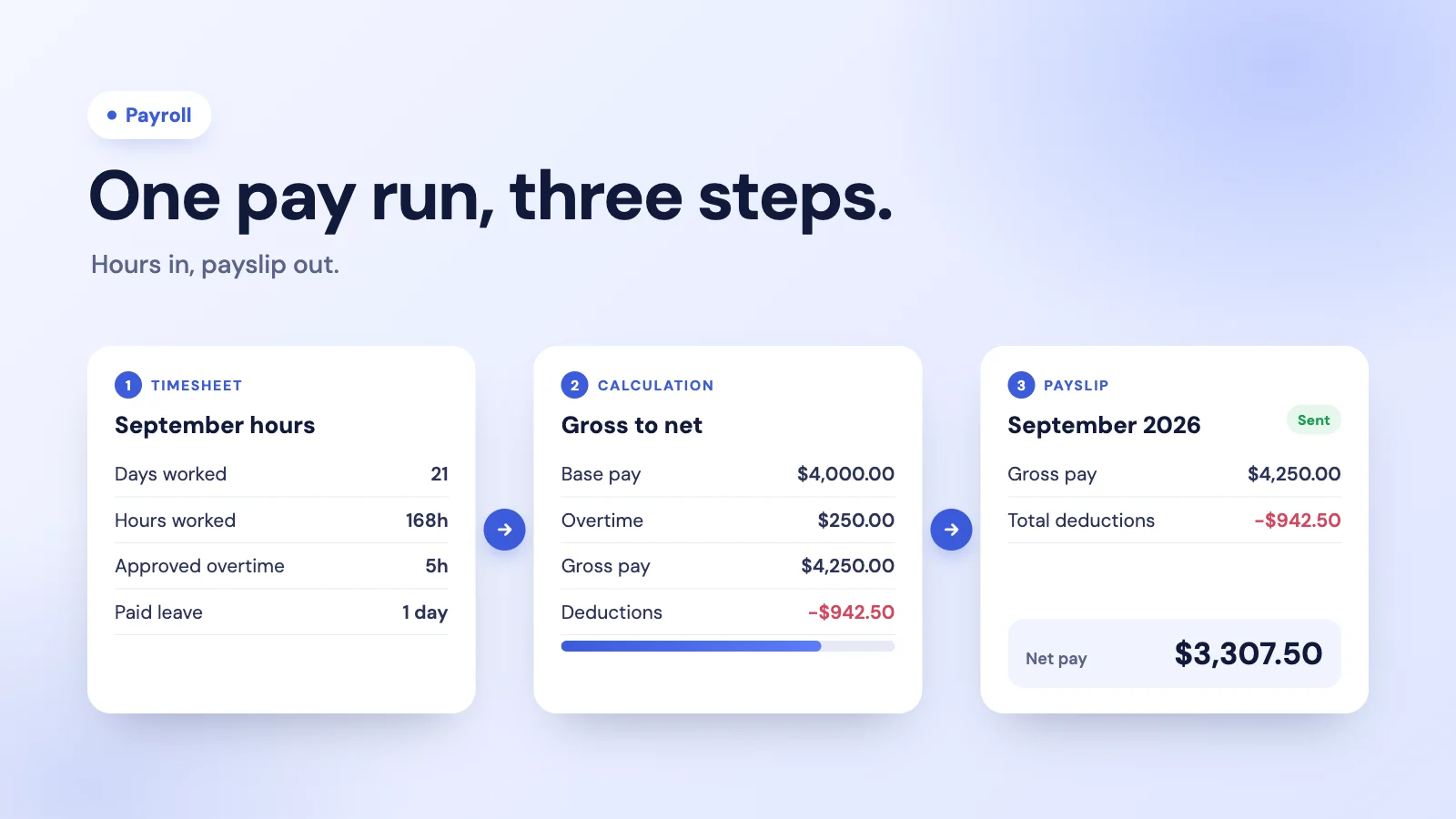
- Run and review payroll: calculate gross pay, deductions and net pay, and compare the run with the last one to catch anything unusual.
- Approve and pay: sign off the run and make sure payments go out on payday.
- Issue payslips so each person can see how their pay was worked out. See what is a payslip.
Every month or quarter
- Pay and file payroll taxes on time, or check that the provider or accountant has.
- Reconcile payroll with the bank and the accounts.
- Report payroll costs to finance and leadership.
Every year
- Year-end filings and forms for employees and the tax authorities.
- Review rates and thresholds when tax tables and statutory amounts change.
- Audit a sample of payslips and records.
All the time
- Answer questions about pay, deductions and payslips.
- Keep payroll compliant as rules change where the business employs people.
- Protect confidential data, because payroll holds some of the most sensitive information in a company.
Payroll manager vs payroll administrator
In larger teams the work is split:
| Payroll administrator or specialist | Payroll manager | |
|---|---|---|
| Focus | Running the process | Owning the process |
| Typical work | Entering changes, running payroll, routine questions | Approving runs, exceptions, compliance, deadlines |
| Decisions | Follows the process | Sets and improves the process |
| Outside providers | Works with them day to day | Chooses and manages them |
In a small business one person often does both, alongside other jobs.
The skills the role needs
- Accuracy with numbers, and the habit of checking totals rather than trusting them.
- Working knowledge of payroll rules where the business operates: taxes, statutory deductions, overtime and leave pay. Our guide to payroll deductions covers the basics.
- Comfort with payroll software and spreadsheets.
- Discretion, because pay is confidential.
- Clear communication, to explain a payslip to someone who thinks it is wrong.
- Calm under deadlines, because payday does not move.
The tools they use
- Payroll software to calculate pay and produce payslips.
- A time and attendance system for hours, leave and overtime, ideally feeding payroll directly so nothing is re-typed.
- Spreadsheets for checks and one-off analysis.
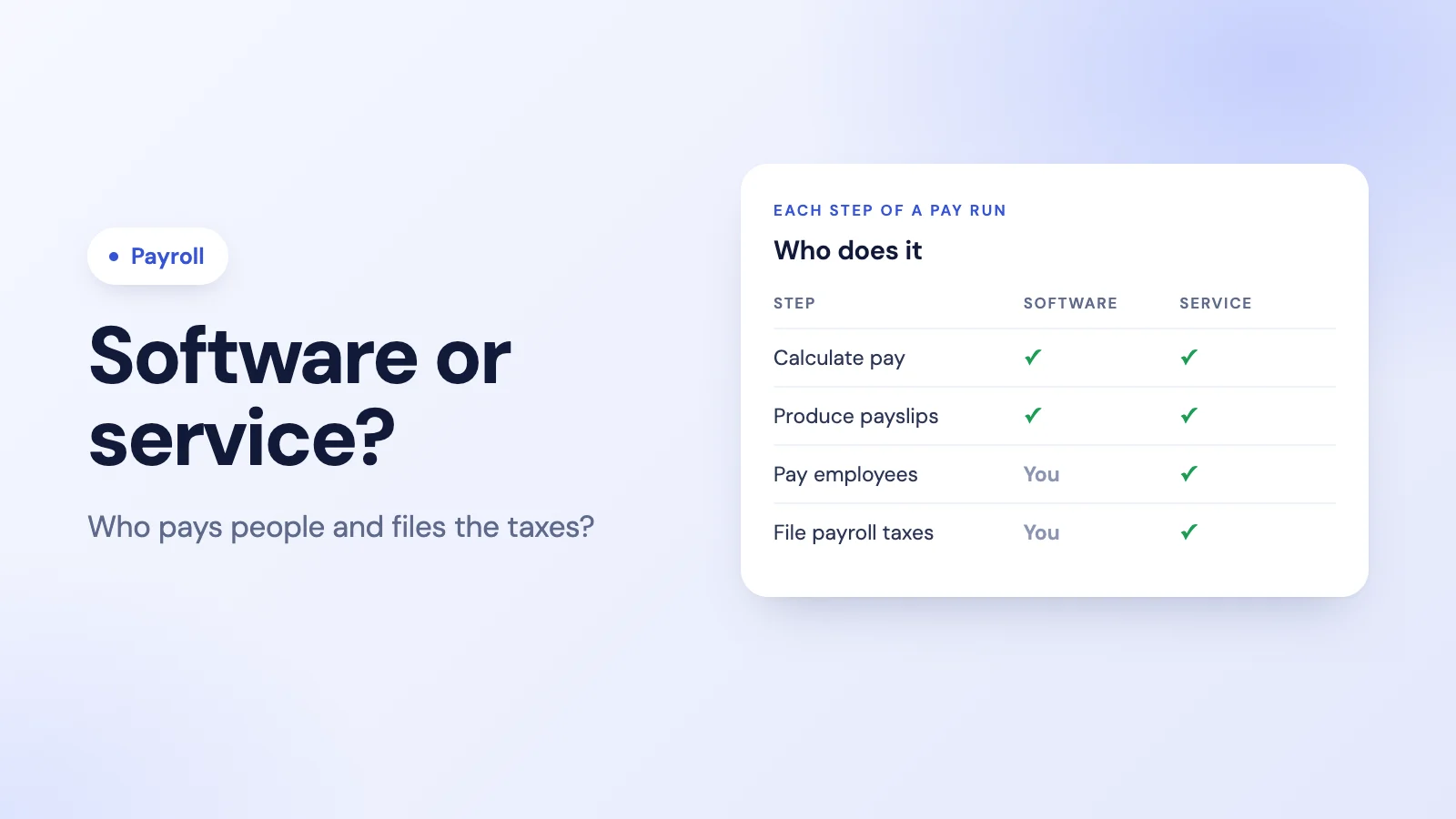
- Tax filing portals or a payroll service for payments and filings. See payroll software vs a payroll service for the difference.
- A checklist so every run follows the same steps, like our payroll processing checklist.
Does a small business need one?
Usually not as a full-time hire. In a small business, payroll is typically run by the owner, an office manager or an HR generalist using payroll software, with an accountant or payroll service handling filings. A dedicated payroll manager starts to make sense when:
- headcount grows into the dozens or more;
- you employ people in several states or countries;
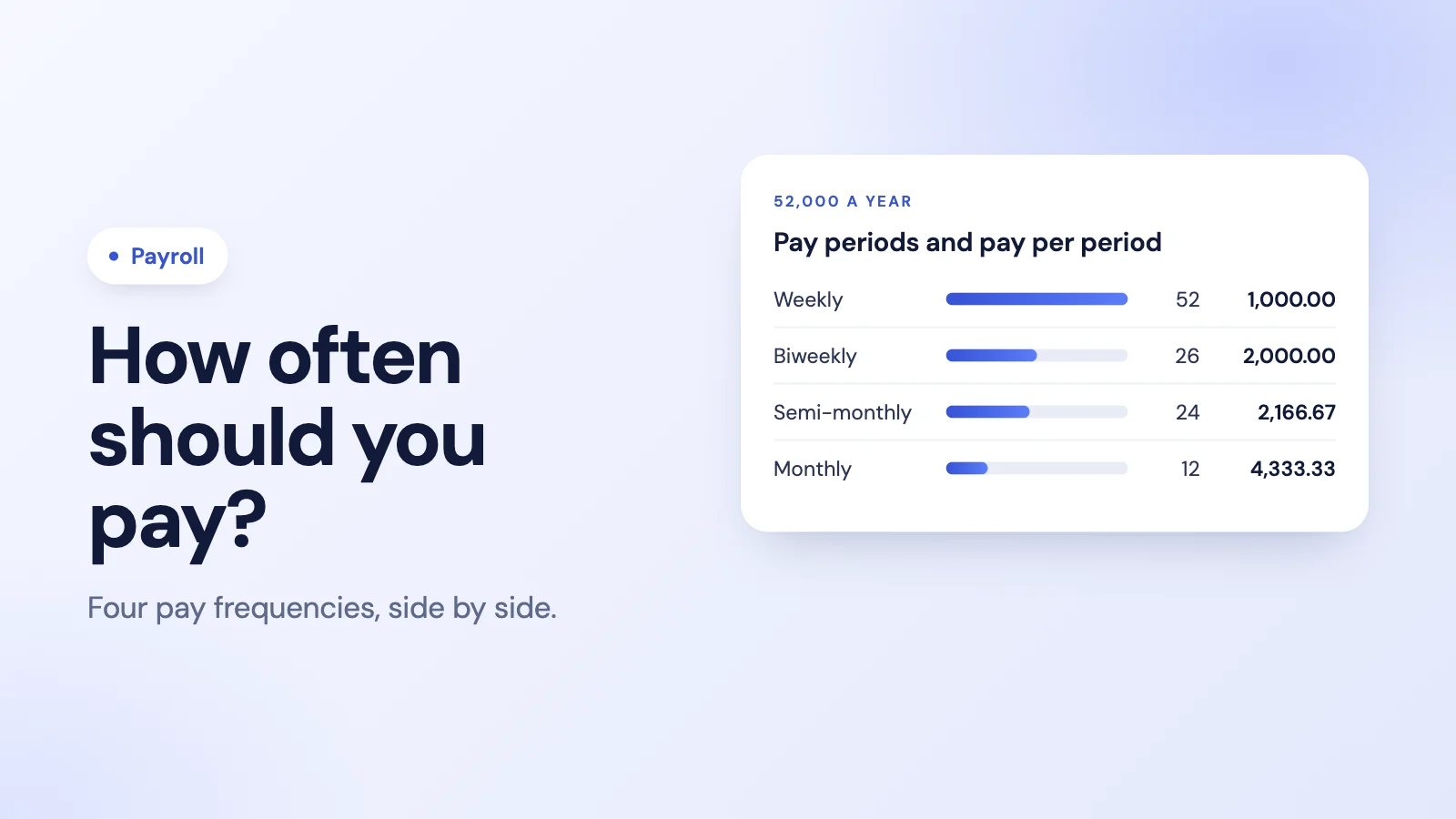
- pay rules get complex: shifts, overtime, commissions, several pay frequencies;
- payroll mistakes are starting to cost time and trust.
Making the job easier
The hardest part of payroll is rarely the calculation. It is getting clean inputs: hours that were actually worked, leave that was actually approved, overtime that someone actually signed off. When those come straight from the system people use every day, the payroll run becomes a check rather than a reconstruction.
Tickin's payroll, on the Growth plan and above, calculates pay from the attendance, leave and approved overtime already recorded in your workspace, shows a preview before the run is confirmed, and sends each employee an itemized PDF payslip. It does not pay employees or file taxes; those stay with you, your bank or your accountant. See payroll in Tickin.
Frequently asked questions
What does a payroll manager do?
They make sure everyone is paid correctly and on time, and that payroll taxes and records are right. That means collecting hours and changes, checking and approving the pay run, overseeing payments and filings, answering pay questions and keeping payroll compliant as rules change.
What is the difference between a payroll manager and a payroll administrator?
A payroll administrator or specialist usually runs the day-to-day process: entering changes, running payroll and answering routine questions. A payroll manager owns the process: approving runs, handling exceptions, managing compliance and deadlines, and often leading a team or working with outside providers.
What skills does a payroll manager need?
Accuracy with numbers, a working knowledge of payroll tax and employment rules where the business operates, comfort with payroll and spreadsheet tools, discretion with confidential data, and the ability to explain pay clearly to employees.
Does a small business need a payroll manager?
Usually not as a full-time role. In a small business, payroll is often run by an owner, office manager or HR generalist with payroll software, and an accountant or payroll service handles filings. A dedicated payroll manager makes sense as headcount, locations and pay rules grow.
What tools does a payroll manager use?
Payroll software to calculate pay and payslips, a time and attendance system for hours, leave and overtime, spreadsheets for checks, and the tax authorities' filing portals or a payroll service for payments and filings.
The takeaway
A payroll manager owns one promise: everyone is paid correctly and on time, and the tax side is right. Most of the job is getting clean inputs, checking before paying and keeping up with the rules. In a small business that role is usually one part of someone's job, made easier by tools that turn the hours people already record into the pay run.